Omihachiman & Hachiman-bori: Edo Canal Warehouses Along Lake Biwa
Just 32 minutes by train from Kyoto, wander along the 4.75-kilometer Hachiman-bori canal built in 1585—framing stone-wall kura storehouses, wooden canal cruises, and Omi beef dining in Shinmachi.
Field Warnings & Critical Traps to Avoid
Strict 17:00 historic district closure, distinct canal vs reed-marsh boats, and Monday museum holidays.
Historic Merchant District & Canal Restaurants Close Early by 17:00
Omihachiman's traditional sweets stores, craft galleries, and historic Omi beef townhouses around Shinmachi and the canal close shutters promptly by 17:00. Plan evening dinners back near JR Omihachiman Station rather than inside the historic canal zone.
Do Not Confuse Hachiman-bori Canal Boats With Outer Suigo Reed Boats
Two distinct boat experiences exist in town: the ~35-minute Hachiman-bori Moat Cruise (~1,500 JPY) winds cleanly through whitewashed town walls and stone bridges; whereas "Suigo Meguri" reed-marsh tours (~2,100–2,200+ JPY shared, ~70–80 mins) use hand-sculled wooden boats north in Nishinoko wetlands (reserve in advance for hand-paddled departures vs motor boats).
Unfenced Low Water Paths & Common Monday Heritage Closures
Narrow towpaths hugging water level along Hachiman-bori lack metal railings and turn slick under morning dew or damp moss. Most historic merchant residences (e.g., Nishikawa House) also close Mondays or the day after holidays.
A direct 32-minute JR Special Rapid ride east from Kyoto Station (680 JPY), Omihachiman on Lake Biwa’s eastern shore preserves the quiet heart of feudal Kansai commerce without Kyoto’s gridlock. Dug in 1585 under Toyotomi Hidetsugu, the 4.75-kilometer Hachiman-bori canal linked Lake Biwa’s trading fleets directly into the castle town—giving rise to Japan’s famous Omi merchants (“Sanpo-yoshi”—good for buyer, seller, and community alike) and their whitewashed plaster kura storehouses.
Take the Omi Railway bus 7–10 minutes from JR Omihachiman North Exit to Osugicho (Hachimanyama Ropeway) and arrive before 11:00 AM for calm morning reflections along unrailed stone towpaths. Distinguish clearly between town’s two boat experiences: the 35-minute Hachiman-bori Moat Cruise (~1,500 JPY) gliding right beneath historic bridges in town, versus northern Suigo Meguri (~70–80 mins, ~2,100–2,200+ JPY shared) hand-sculled wooden skiffs winding through natural Nishinoko reed marshes two kilometers further north (reserve ahead for unmotorized craft).
Stroll inland four minutes along Shinmachi-dori (watching Monday closures on heritage residences like the Former Nishikawa House), book a great-value lunch tasting 400-year-old Omi Wagyu beef paired with crimson iron-rich akakonnyaku at established local specialists like Morishima (毛利志満) (noting Sennaritei Kyara sits nearby in Hikone), and finish sweet treats beside Himure Hachimangu before historic shops shutter at 17:00.
Step-by-Step Visual Route & Timestamps
Follow our exact on-the-ground walking pace and timestamps. Click any photo or stop title to open rich multi-photo galleries, field tips, and expanded logistical guides.
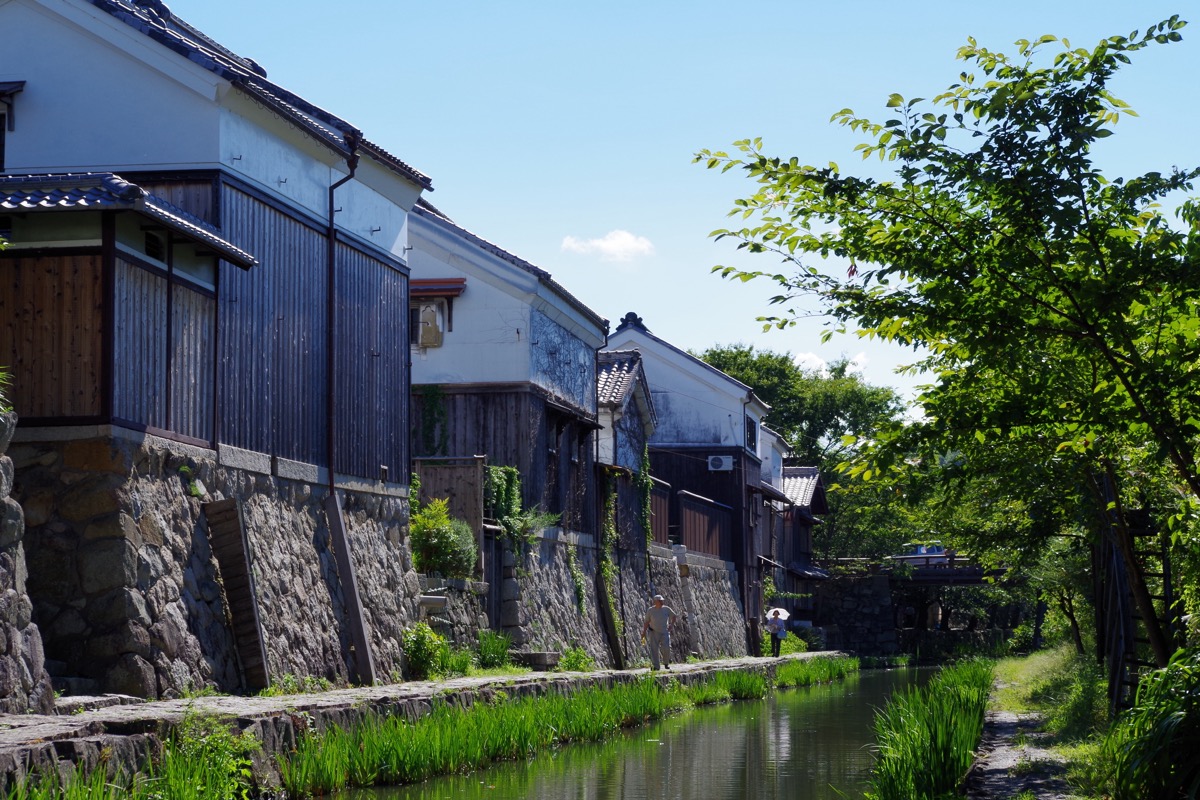
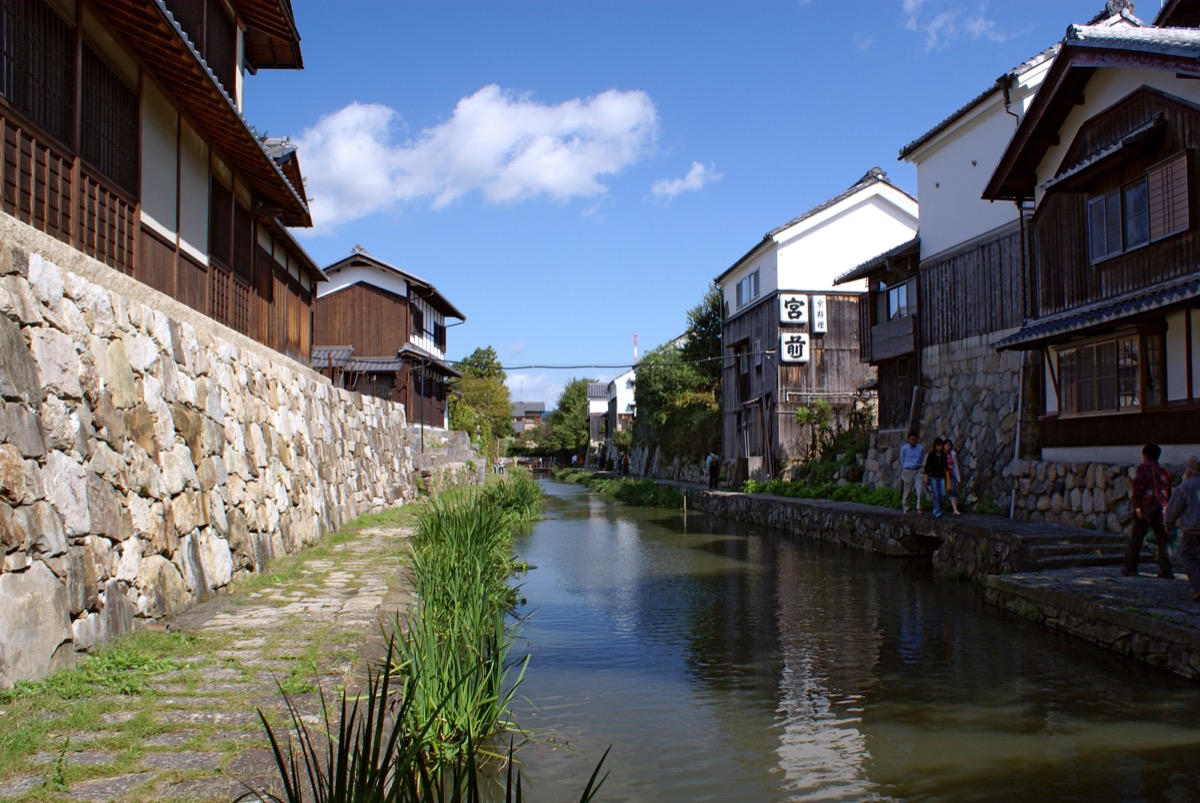
Stone retaining walls and weeping willows edging the historic 4.75 km Hachiman-bori canal. · Photo: Wikimedia Commons (CC BY-SA 4.0)
Descend stone staircases down to the original water-level towpaths of Hachiman-bori—a 4.75-kilometer moat and commercial canal dug in 1585 by Toyotomi Hidetsugu to channel Lake Biwa merchant shipping straight into his new castle town. Whitewashed plaster kura storehouses and black cedar walls reflect cleanly along calm waters shaded by weeping willows before noon.
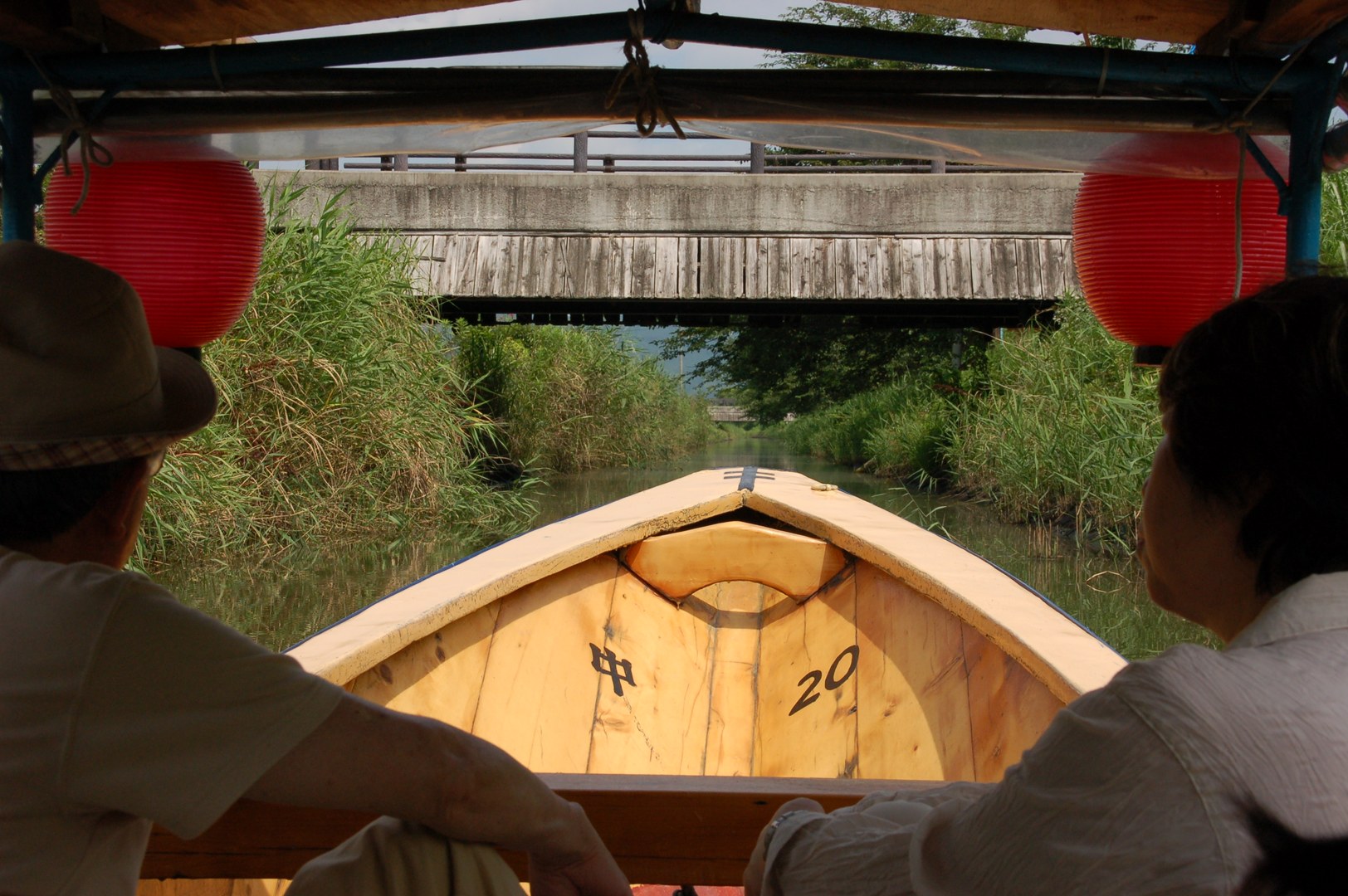
Open wooden passenger boat gliding quietly past stone canal ramparts and trailing willows on Hachiman-bori. · Photo: Wikimedia Commons (CC BY-SA 4.0)
Step onto the 35-minute Hachiman-bori Canal Cruise (~1,500 JPY adult) right near Hakuunkan and Meiji Bridge. Drifting smoothly under low wooden bridges and past tiled warehouse foundations gives visitors the classic samurai-film perspective—distinct from the longer ~2,100–2,200+ JPY Suigo Meguri reed skiffs north at Lake Biwa's Nishinoko wetlands.
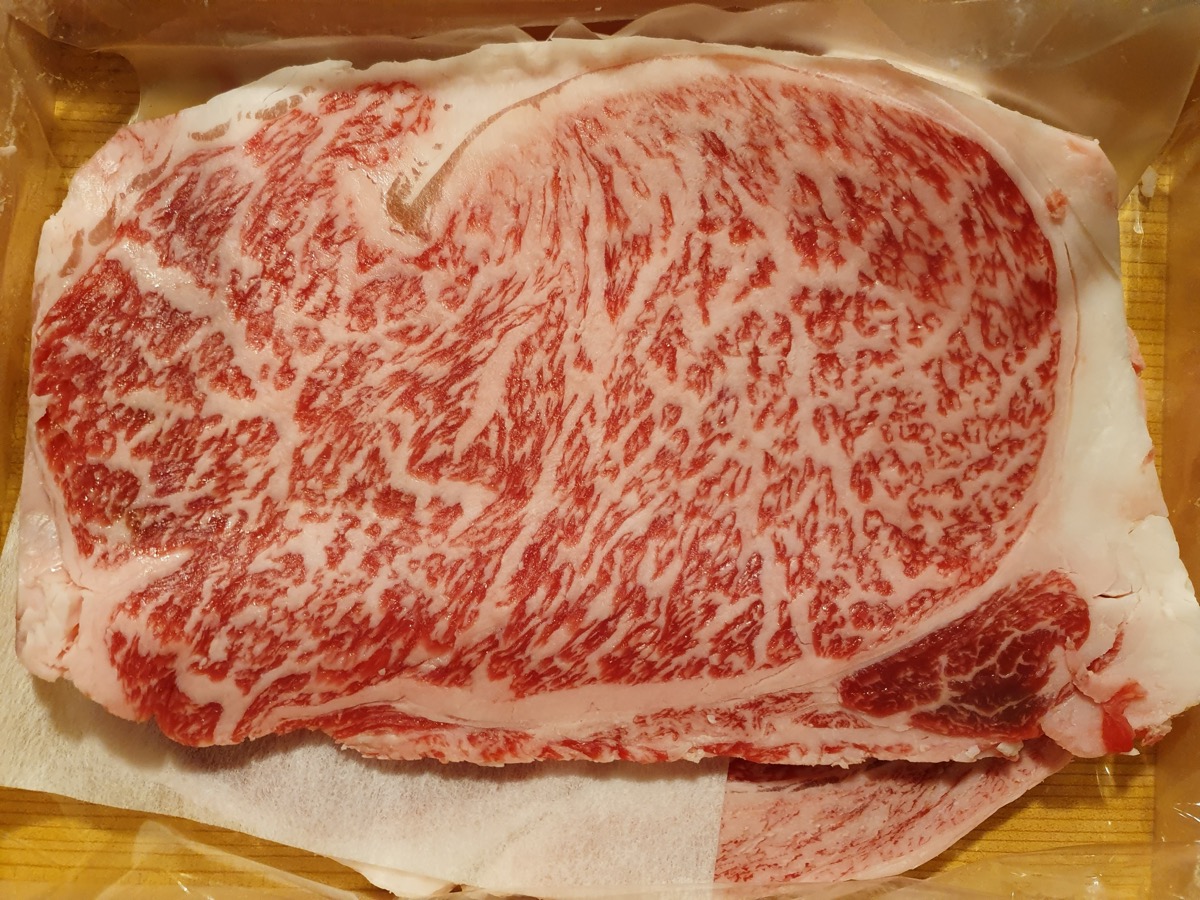
Delicately marbled Shiga Omi Wagyu slices prepared inside a historic Omihachiman beef house. · Photo: Wikimedia Commons (CC BY-SA 4.0)
Turn inland off the canal onto Shinmachi-dori—once home to Omi merchants whose ethical motto "Sanpo-yoshi" ("good for buyer, seller, and society") shaped modern Japanese retail. Enjoy a midday lunch featuring Omi beef (Japan's oldest branded wagyu lineage) at authentic Omihachiman establishments such as historic Morishima (毛利志満) or Kanekichi alongside crimson iron-rich red konnyaku ("akakonnyaku") and square baked wheat gluten ("choji-fu").
Interactive Location & Route Map
Many rural Asian landmarks don’t appear when searching English spellings in Google Maps. Click any numbered stop on the map below or tap the button above to open the exact latitude/longitude pin on your phone.
Frequently Asked Questions
What is the difference between Hachiman-bori Canal boats and Omihachiman Suigo Meguri boats?
They operate in two separate locations: the Hachiman-bori Canal Cruise (~35 mins, ~1,500 JPY) takes place right through the historic town moat past stone storehouses near Himure Hachimangu. By contrast, Suigo Meguri (~70–80 mins, ~2,100–2,200+ JPY shared) uses traditional hand-sculled wooden skiffs out in Lake Biwa's northern Nishinoko reed marshes (~2 km away)—and requires advance booking to guarantee unmotorized hand-rowed boats.
Is Omihachiman easy to visit as a half-day rail trip from Kyoto, and when do shops close?
Yes—JR Biwako Line Special Rapid trains leave Kyoto every 15 minutes and reach Omihachiman in just 32 minutes (680 JPY, covered by Kansai rail passes). Go strictly in the morning or midday! Historic museum houses (often closed Mondays) and practically all canal-side sweet shops and diners close at 17:00 sharp, leaving the moat dark and quiet at dinner time.
Field Verification & Non-Sponsored Standards
This travel dispatch was researched exclusively through public transport (trains, local branch buses, ferries) and foot exploration. Uncharted Asia accepts zero commercial sponsorships, free stays, or sponsored meals. Timetables, fare gates, and mountain trail conditions are independently verified against physical operator timetables. Learn more in our Editorial Methodology.