Tsuwano Castle Town: Koi Swimming in Stone Canals and a Thousand Crimson Torii Gates
In a mountain basin at the southwestern tip of Shimane Prefecture, Edo-period white-walled samurai quarters line stone horiwari canals holding over a thousand koi, while 263 stone steps climb Mt. Shiroyama through roughly 1,000 vermilion torii gates to Taikodani Inari Shrine.
Field Warnings & Critical Traps to Avoid
Transit connections, seasonal operating restrictions, and on-site etiquette reminders.
Limited Express Fare from Shin-Yamaguchi & SL Yamaguchi Booking Window
From Sanyo Shinkansen Shin-Yamaguchi Station, the JR Limited Express "Super Oki" reaches Tsuwano in about 63–68 minutes for 2,370 JPY one-way unreserved (1,170 JPY base fare + 1,200 JPY express surcharge; 2,900 JPY reserved seat). The all-reserved SL Yamaguchi steam train runs only on select seasonal weekends and sells out rapidly when bookings open at 10:00 AM one month prior.
Castle Chairlift 16:20 Last Descent & Winter Weekday Suspension
The final downhill chairlift departs at 16:20. From December 1 through the end of February, the lift is closed on weekdays and operates only on weekends, national holidays, and January 1–3. On winter weekdays, allow stamina for the hike up and down, pack warm layers, and watch daylight hours.
Do Not Feed Human Food to Tonomachi Canal Koi
The canals carry flowing mountain spring water. Never throw bread, toast, or biscuits into the flumes, as oils foul the water; to feed the koi, buy designated pellet packs for 100 JPY from the wooden coin boxes outside nearby shops.
Slip-Resistant Shoes for 263 Steps & Back-Road Taxi Option
Taikodani Inari Shrine's main approach climbs 263 open-air stone steps where moss turns slick after rain or morning dew—wear grippy flat walking shoes. Older travelers or those with limited mobility can take a taxi from JR Tsuwano Station up the rear service road to the upper shrine parking lot.
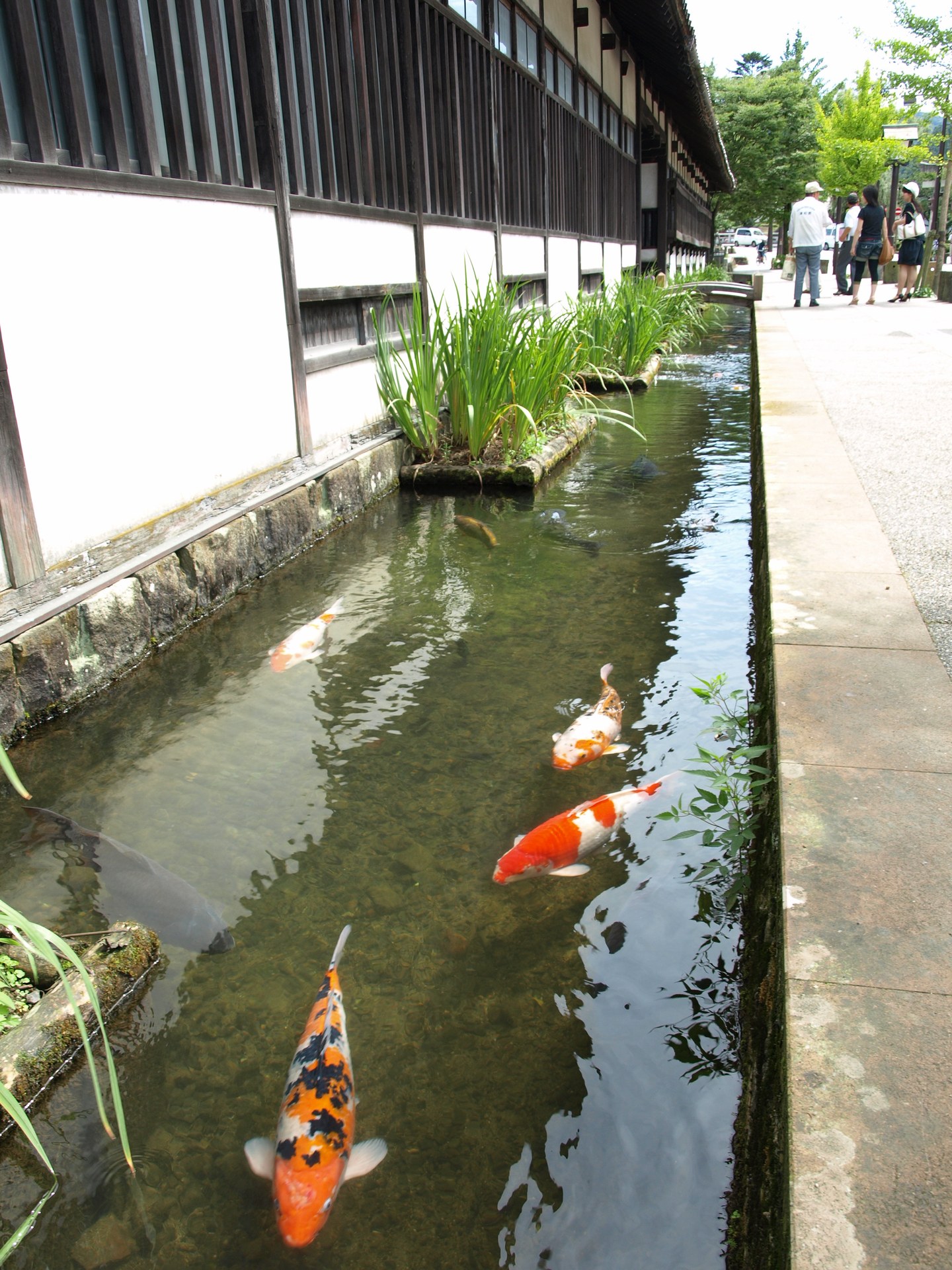
Located in the mountains bordering Shimane and Yamaguchi prefectures, Tsuwano developed along the Tsuwano River and retains an Edo-period castle-town layout often nicknamed “Little Kyoto of San’in.” Its signature streetscape runs along Tonomachi Street, where stone horiwari channels draw clear spring groundwater through town, supporting over 1,000 koi carp; from late May to early June, planter beds in the canals bloom with purple and white irises.
Looking west toward the mid-slope of Mount Shiroyama, an approach of roughly 1,000 vermilion torii gates climbs the hillside to Taikodani Inari Shrine, founded in 1773 by Tsuwano domain lord Kamei Norisada. Unlike most Inari shrines written with the character for rice sheaves (稲荷), Taikodani uses nari (稲成, “accomplishment”) for fulfilled wishes. Visitors often buy fried tofu and candles at stalls near the entrance before climbing to the shrine terrace overlooking the basin’s reddish Sekishu-gawara tiled roofs.
Step-by-Step Visual Route & Timestamps
Follow our exact on-the-ground walking pace and timestamps. Click any photo or stop title to open rich multi-photo galleries, field tips, and expanded logistical guides.
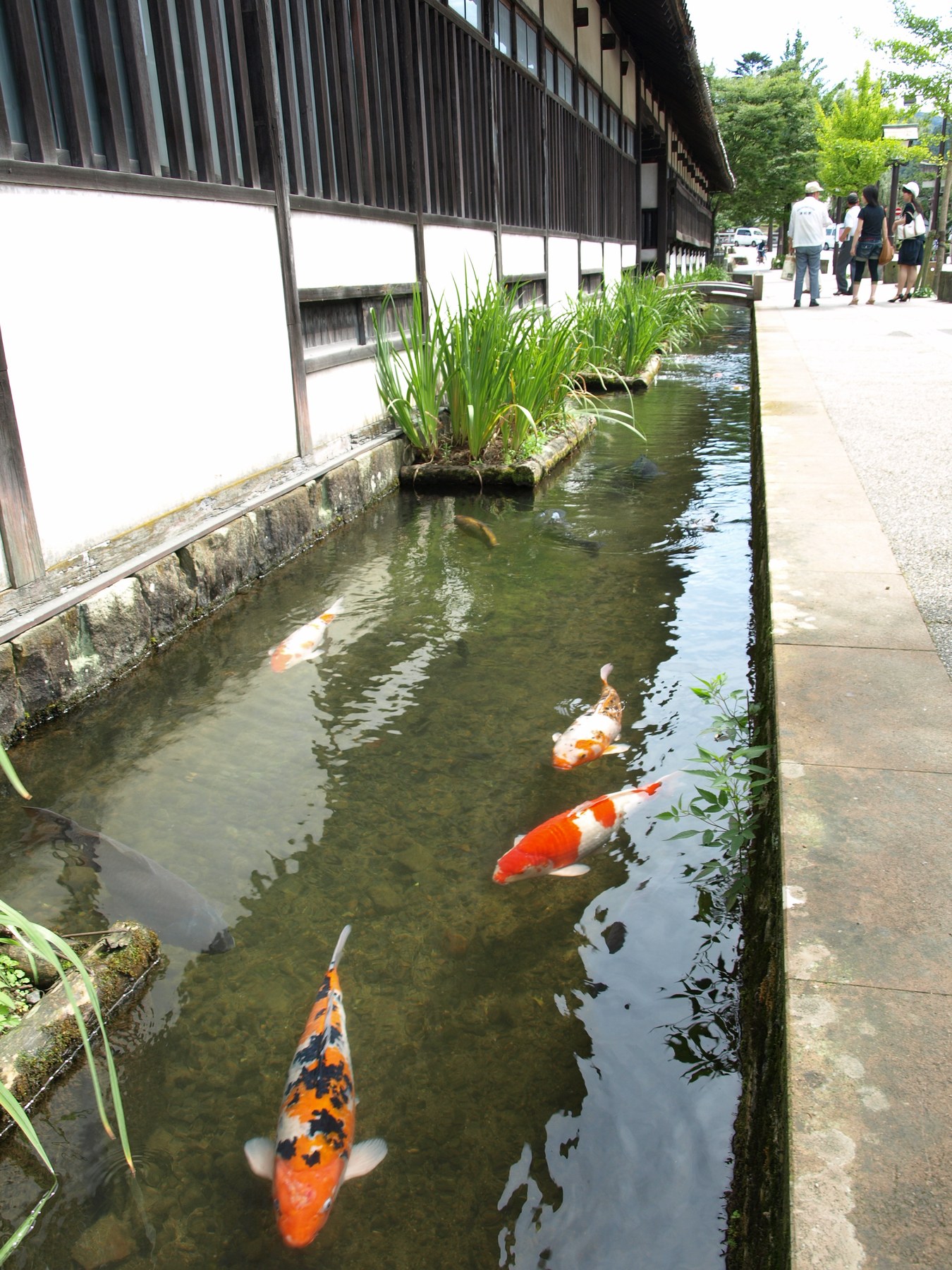
Stone horiwari canal beside Tonomachi Street's white earthen walls, where over a thousand koi swim in clear spring water. · Photo: しまね観光ナビ 公式写真ギャラリー (kankou-shimane.com)
Walk about 10 minutes from JR Tsuwano Station to Tonomachi Street in the morning. Edo-era senior retainer quarters retain whitewashed earthen walls along stone horiwari drainage canals fed by mountain springs, where over 1,000 red, white, and gold koi swim past iris planters; Tsuwano Catholic Church and the former domain school Yorokan stand along the same block.
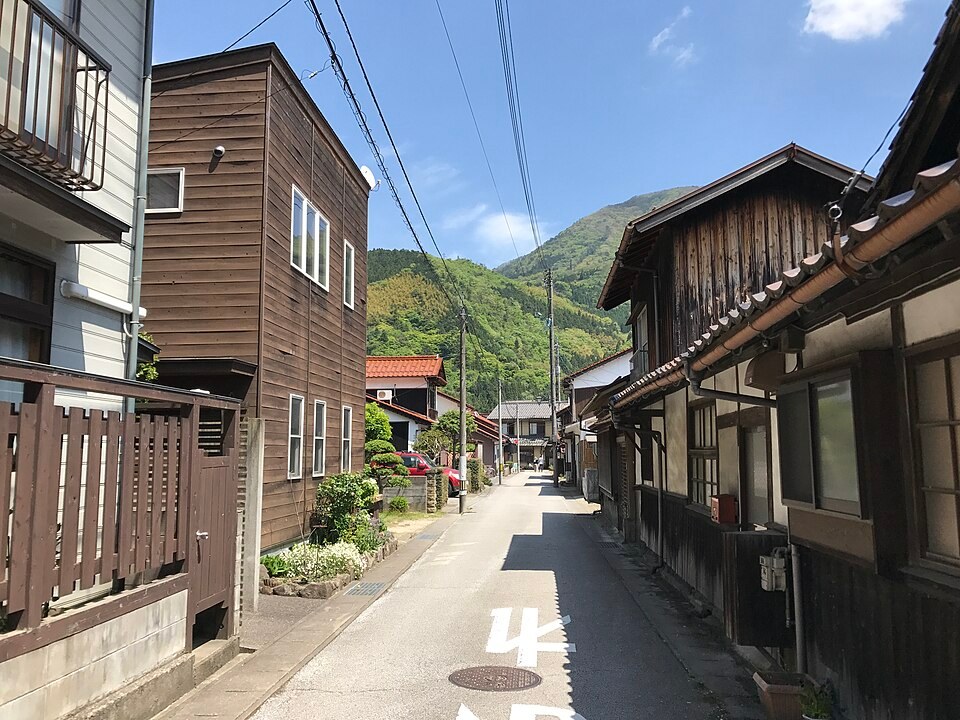
Reddish-brown Sekishu-gawara tiled townhouses along Honmachi Street framed by the mountains around Tsuwano. · Photo: そらみみ (CC BY-SA 4.0)
Turn into the adjoining merchant quarter of Honmachi Street, lined with reddish-brown Sekishu-gawara tiled townhouses, long-running sake breweries such as Furuhashi Shuzo (founded 1878, a Registered Tangible Cultural Property), and confectionery shops slicing fresh Genji-maki. With extra time, cross the Tsuwano River south for a 15-minute (1.2 km) walk to Mori Ogai's Former Residence in Machida (100 JPY entry; 600 JPY combo with museum, closed Mondays).
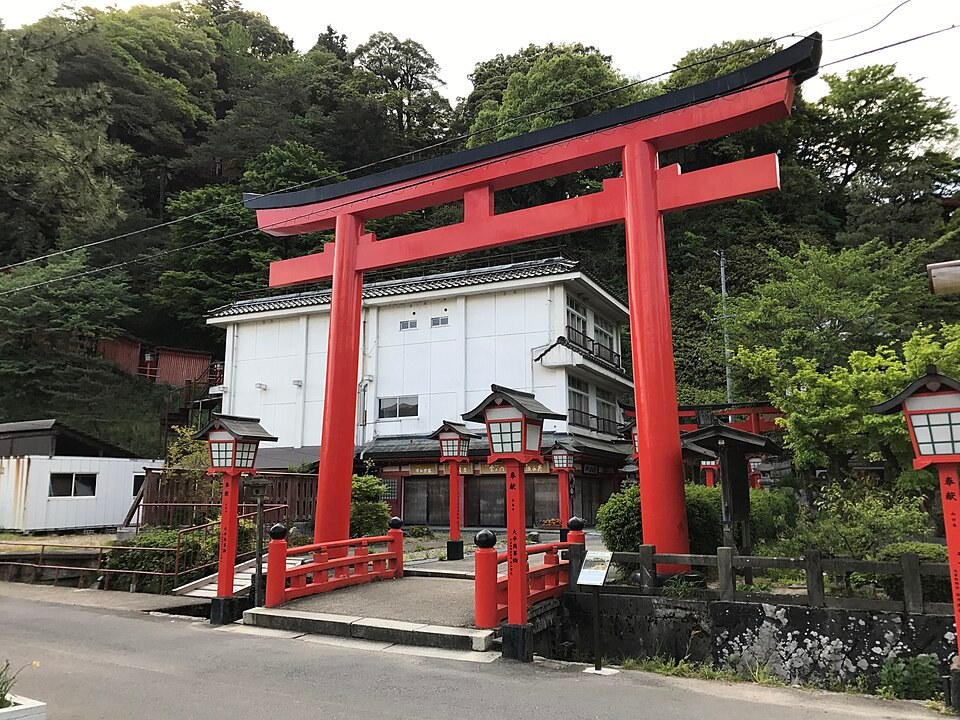
Vermilion torii gates lining the stone staircase up the hillside approach to Taikodani Inari Shrine. · Photo: そらみみ (CC BY-SA 4.0)
Climb 263 stone steps along the main approach lined with approximately 1,000 tightly spaced vermilion torii gates up Mount Shiroyama (elevation 357 m) to Taikodani Inari Shrine. Pick up fried tofu and candles at the entrance stalls for offerings, then look out over the Tsuwano River and terracotta-roofed town from the shrine terrace.
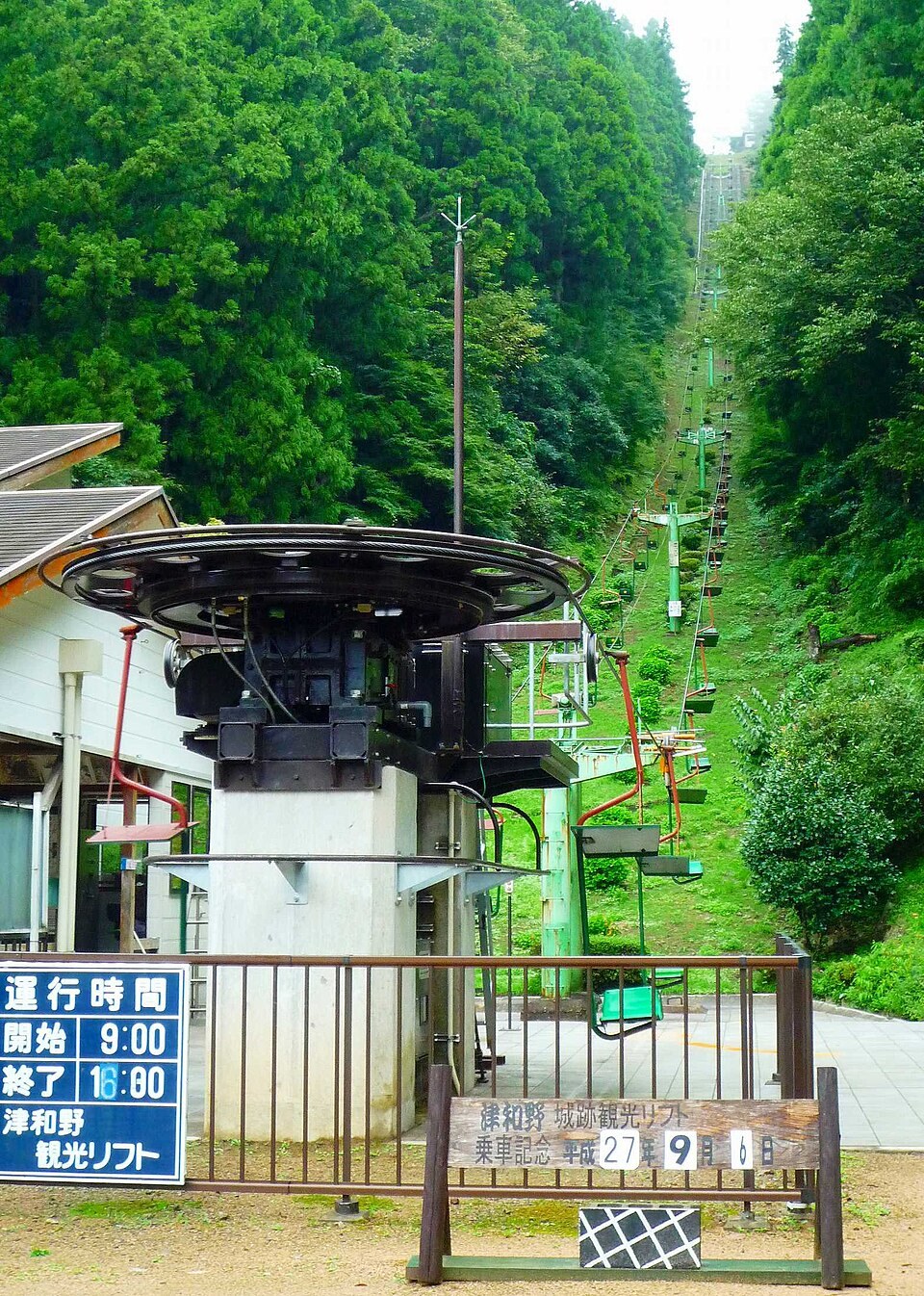
Base station and forested cableway of the open-air single chairlift ascending toward Tsuwano Castle ruins. · Photo: Heartoftheworld (CC BY-SA 4.0)
Board the open-air single tourist chairlift from the base station near the shrine for a 5-minute ride up through the trees, skipping the steep ascent. Adult round-trip fare is 700 JPY (400 JPY one-way; 500 JPY round-trip elementary age and under), operating 09:00–16:30 (last downhill lift at 16:20), and running only on weekends and national holidays from December through February.
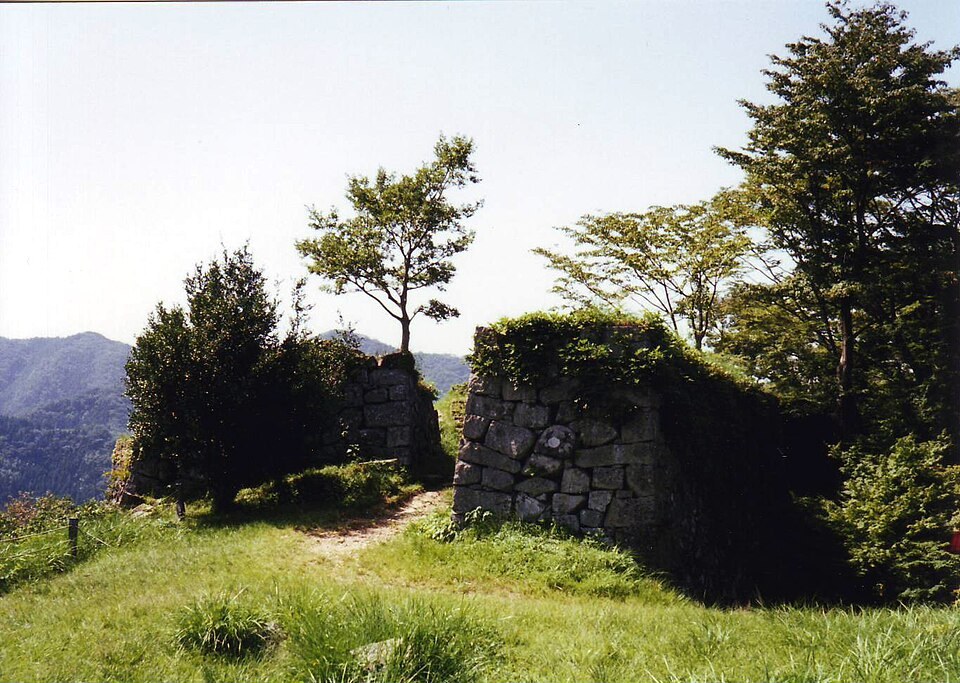
Dry-stone masonry ruins of Sanjukkendai, the highest terrace of Tsuwano Castle. · Photo: Reggaeman (Public Domain)
From the upper chairlift station, walk 15–20 minutes up the ridge path to the ruins of Tsuwano Castle (elevation 367 m), originally founded at the end of the Kamakura period. Its highest bastion, Sanjukkendai, preserves tall unmortared boulder walls with open views over the S-curve of the Tsuwano River and the JR Yamaguchi Line tracks below.
Interactive Location & Route Map
Many rural Asian landmarks don’t appear when searching English spellings in Google Maps. Click any numbered stop on the map below or tap the button above to open the exact latitude/longitude pin on your phone.
Frequently Asked Questions
Why is the kanji for Inari written differently at Taikodani?
While almost all Japanese Inari shrines write "荷" (grain burden), Taikodani uniquely uses "成" (fulfillment/accomplishment), granted by the feudal Kamei lords to represent wishes coming to actual realization.
What is Tsuwano’s signature traditional delicacy?
Genmai-dango (charcoal-toasted rice dumplings) and Genji-maki—a thin golden sponge-cake roll filled with sweet adzuki bean paste, baked and sliced to order in traditional confectionery shops along Honmachi and Tonomachi streets.
Field Verification & Non-Sponsored Standards
This travel dispatch was researched exclusively through public transport (trains, local branch buses, ferries) and foot exploration. Uncharted Asia accepts zero commercial sponsorships, free stays, or sponsored meals. Timetables, fare gates, and mountain trail conditions are independently verified against physical operator timetables. Learn more in our Editorial Methodology.