Phrae Teakwood Heritage Town: Gingerbread Mansions and Indigo Craft of Northern Siam
Bypassed by the main northern railway at Den Chai, Phrae preserves late-19th century golden teak estates, hand-fermented Mo Hom indigo shirts, and old town noodle stalls.
Field Warnings & Critical Traps to Avoid
Transit connections, seasonal operating restrictions, and on-site etiquette reminders.
Distinct Admission Fees & Closing Hours at Both Main Mansions
Ban Wongburi charges 30 THB admission and stays open daily 09:00–17:00, whereas neighboring Khum Chao Luang Mueang Phrae offers free entry and usually closes earlier around 16:30.
Advance Notice Needed for Hands-On Ban Thung Hong Dyeing
Natural fermented hom dye vats in Ban Thung Hong village require pre-soak prep. Shop displays welcome walk-ins daily, but hands-on dyeing classes on weekdays normally require 24-hour advance booking via your guesthouse.
Agree Songthaew Fares Before Leaving Den Chai Station
Shared blue pickup trucks depart outside Den Chai Station once seats fill rather than on strict clock intervals; confirm the standard 40–50 THB shared fare (or private charter rate) before loading bags.
Resting in a quiet fertile river basin between Lampang and Uttaradit, Phrae bypassed major industrial rail spurs when Thailand’s Northern Line routed through Den Chai 25 km south. Because the historic town remained off high-volume tour coach circuits, more than a century’s worth of late-19th-century teak architecture built during Phrae’s logging era still anchors everyday street blocks inside its old earthen moat.
Two Landmark Teak Mansions Within Six Minutes on Foot
- Ban Wongburi House (Built 1897): Famous for pale pink wood paneling, steep Lanna gables, and white lacy Victorian gingerbread fretwork carved by Cantonese and northern carpenters without nails. Open daily 09:00–17:00, admission 30 THB (shoes off at the lower veranda).
- Khum Chao Luang Mueang Phrae (Built 1892): Built for the last ruling prince of Phrae atop a brick cellar once used for holding prisoners. Entry is free (typically open 08:30–16:30 daily), letting visitors wander polished corridors and roped-off banquet rooms.
Indigo Craft & Market Noodles
Ride 4 km northeast up Highway 101 to Ban Thung Hong, the historic birthplace of northern Thailand’s signature natural-dyed Mo Hom cotton shirts crafted with fermented Strobilanthes cusia leaf indigo (200–350 THB walk-in shopping; call a day ahead for hands-on dyeing). Back inside old town markets along Charoen Muang Road, neighborhood stalls ladle steaming bowls of Kanom Jeen Nam Ngiaw—fermented rice noodles served in rich pork rib, tomato, and dried red kapok-blossom broth for 40–50 THB cash until mid-afternoon.
Step-by-Step Visual Route & Timestamps
Follow our exact on-the-ground walking pace and timestamps. Click any photo or stop title to open rich multi-photo galleries, field tips, and expanded logistical guides.
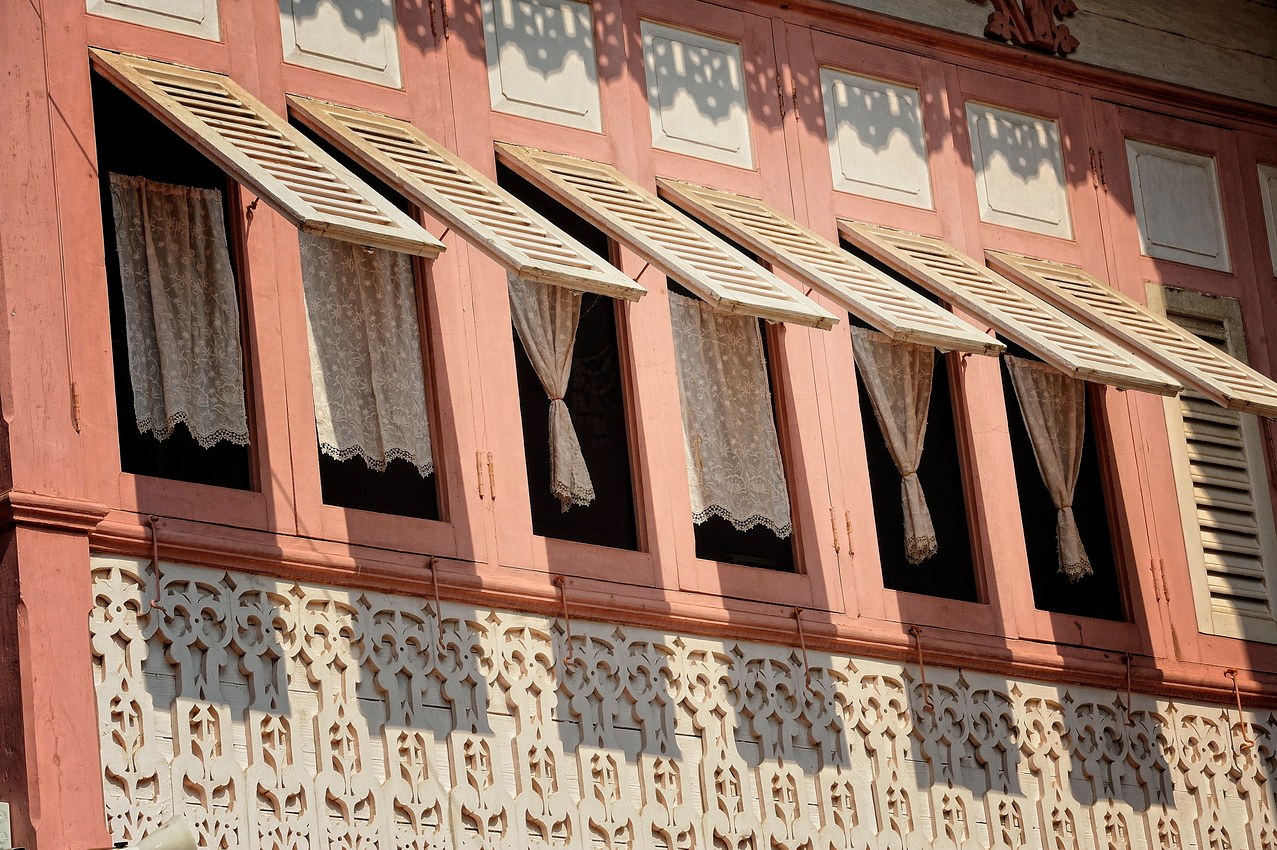
Exterior second-story pink teak paneling, prop-open louvered shutters, and hand-carved white gingerbread fretwork at Ban Wongburi House. · Photo: Wikimedia Commons (CC BY-SA 4.0)
Built in 1897 out of aged teakwood for the Wongburi timber family, this two-story pink residence blends steep Lanna gables with Victorian pierced fretwork lacework and open interior museum galleries.
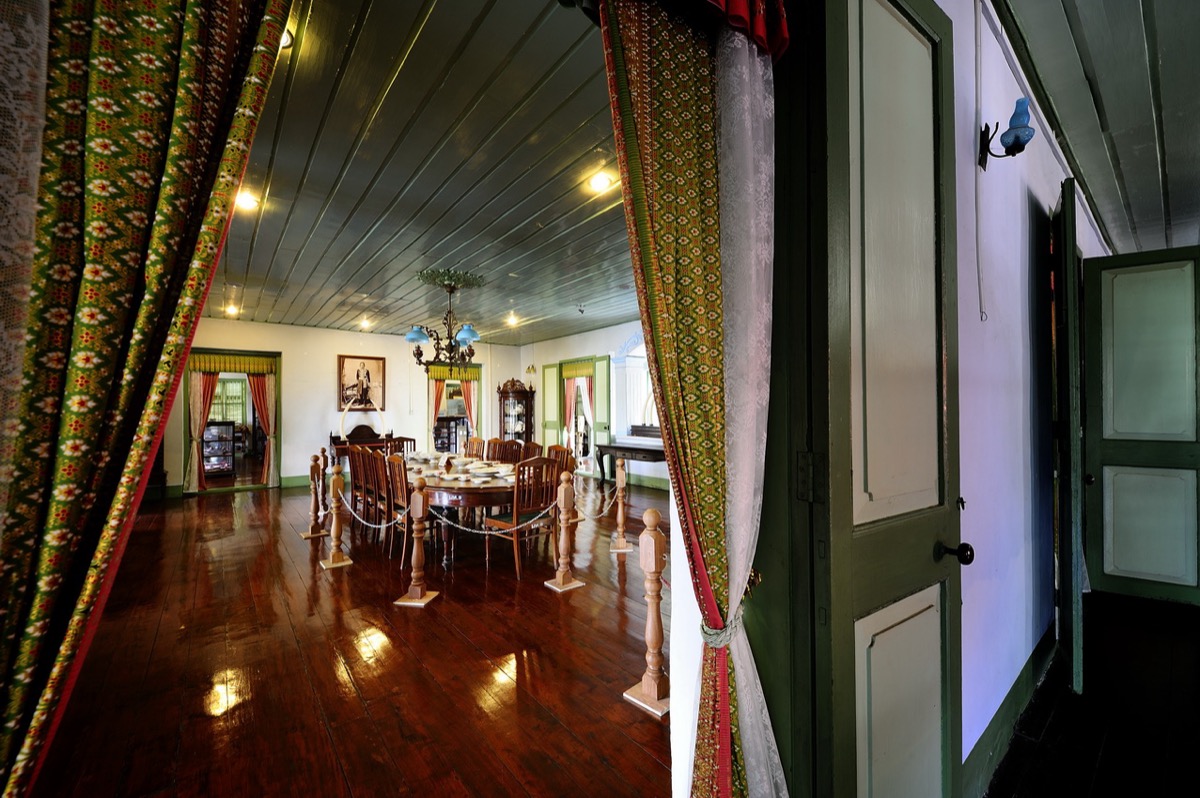
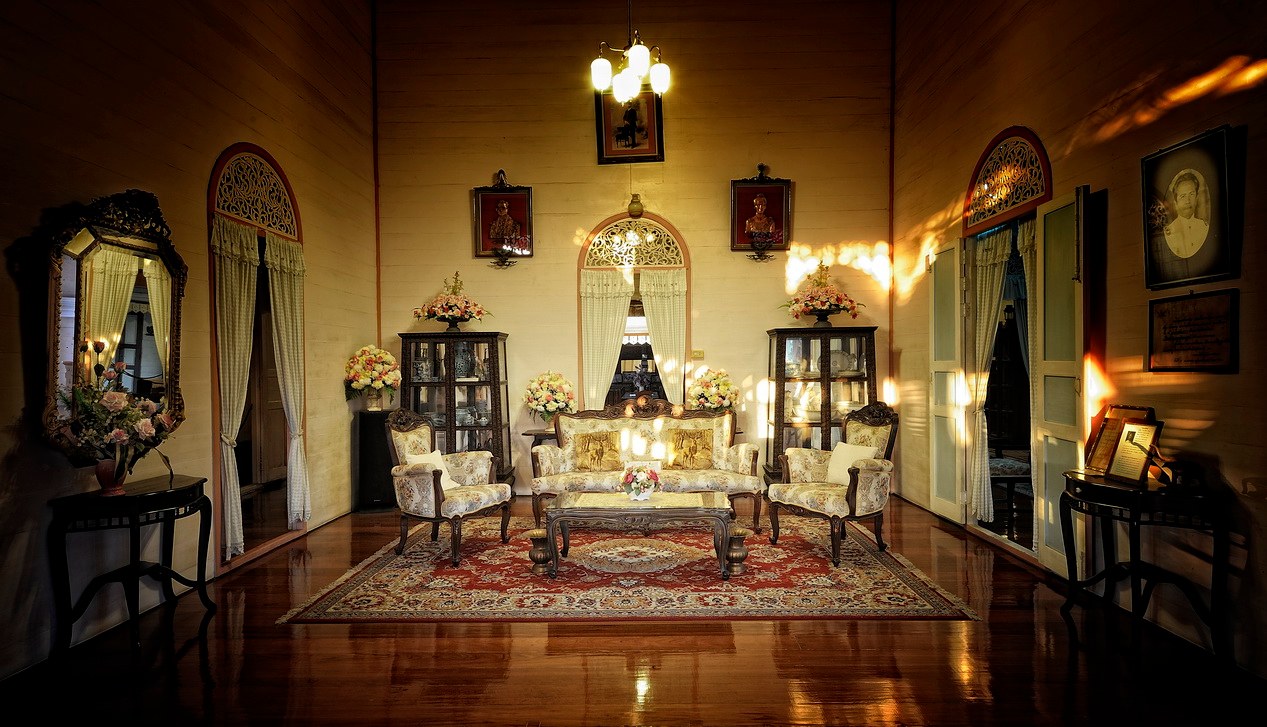
Period banquet dining room along the open wooden corridor of Phrae's 1892 teak heritage residence. · Photo: Wikimedia Commons (CC BY-SA 4.0)
Built in 1892 as the seat and private residence of Phrae's final ruling prince, Khum Chao Luang displays period porcelain tableware, roped banquet rooms, and colonial-era teak shuttered corridors completely free of charge.
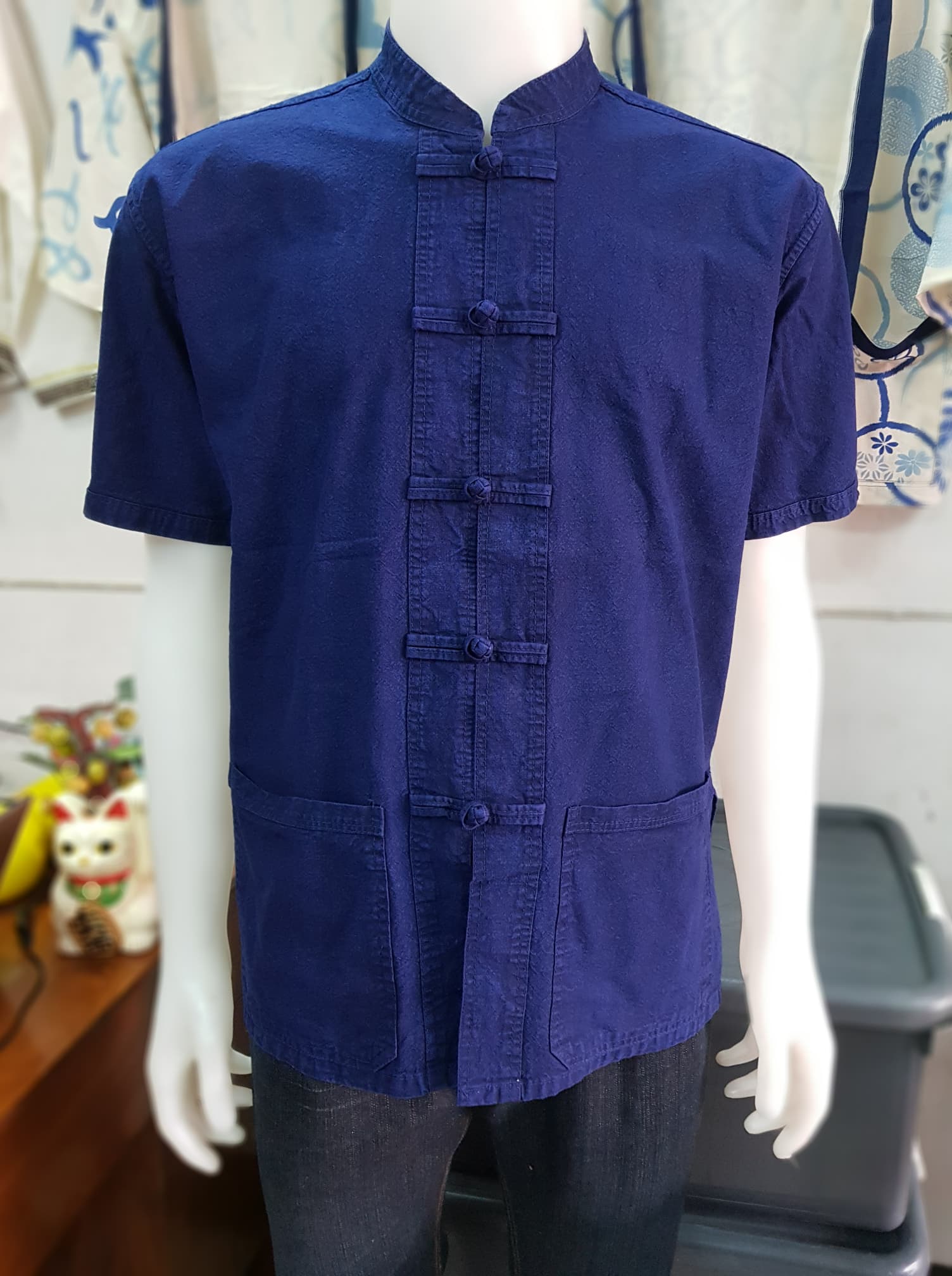
Finished deep indigo Mo Hom short-sleeve cotton shirt with cloth toggle buttons displayed inside a Phrae textile workshop. · Photo: Wikimedia Commons (CC BY-SA 4.0)
Head 4 km northeast of the old moat to Ban Thung Hong village, Phrae's famous hub for natural-dyed Mo Hom workshirts sewn with wooden toggle buttons and deep indigo hues brewed from fermented hom foliage.
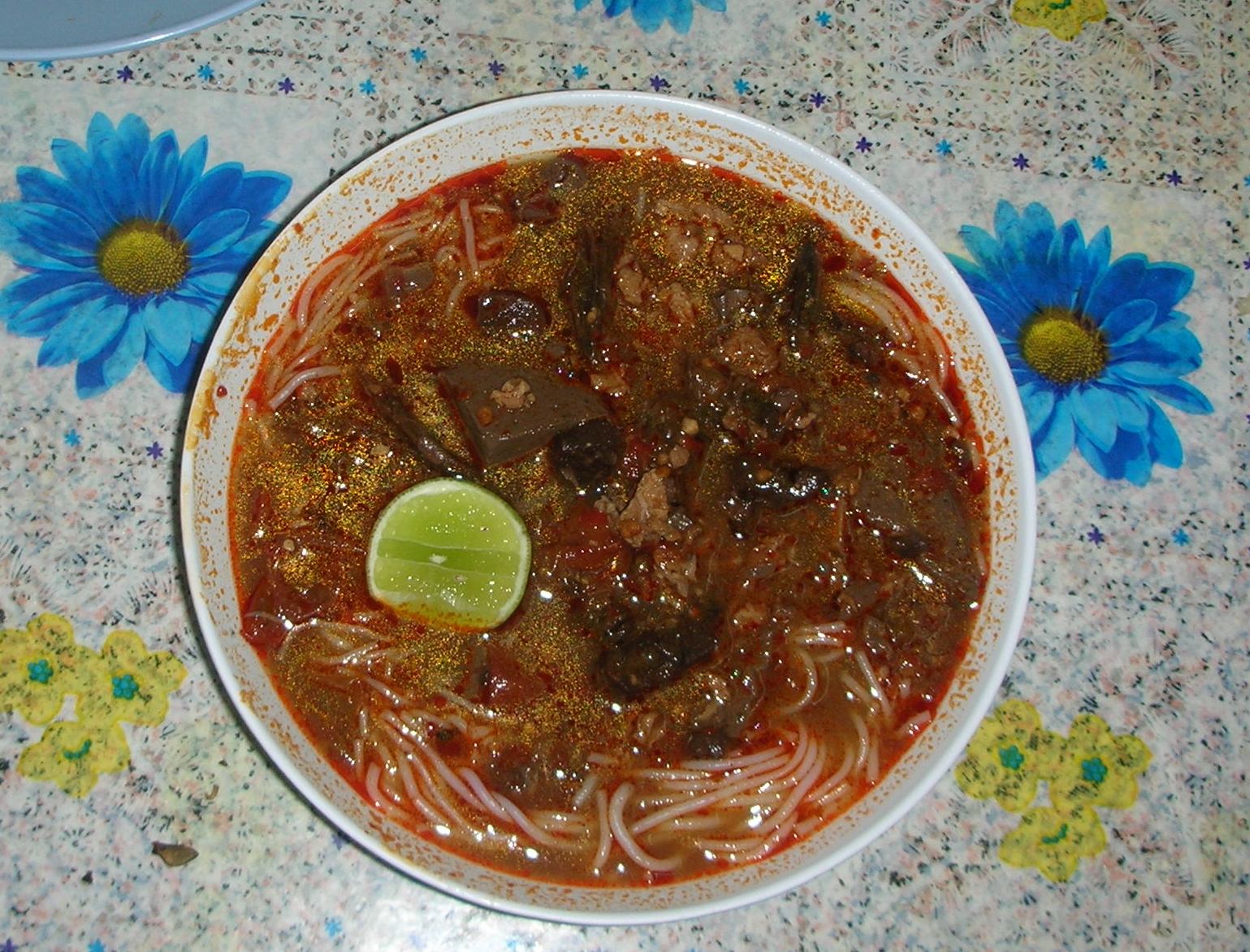
Traditional northern Thai Kanom Jeen Nam Ngiaw rice noodles served in rich red pork-tomato broth with blood curd cubes and fresh lime. · Photo: Wikimedia Commons (CC BY-SA 4.0)
End the town circuit at a local street stall near Phrae's central market over a warm bowl of Kanom Jeen Nam Ngiaw—fermented white rice noodles bathed in tangy red tomato, pork bone, and dried kapok-blossom broth.
Interactive Location & Route Map
Many rural Asian landmarks don’t appear when searching English spellings in Google Maps. Click any numbered stop on the map below or tap the button above to open the exact latitude/longitude pin on your phone.
Frequently Asked Questions
What is the difference between Ban Wongburi and Khum Chao Luang?
Both sit within a 6-minute walk in old Phrae. Ban Wongburi (1897) is the iconic pink private mansion with lace gingerbread woodwork (30 THB entry, open 09:00–17:00); Khum Chao Luang (1892) is the larger public governor's estate with free admission (closing earlier at 16:30).
How should I plan train and bus connections via Den Chai Station?
Frequent Northern Line trains link Den Chai with Chiang Mai (~3.5–4 hrs) and Bangkok Krung Thep Aphiwat (~7–8 hrs). Allow 45 minutes for the blue songthaew ride back down to Den Chai before boarding.
Field Verification & Non-Sponsored Standards
This travel dispatch was researched exclusively through public transport (trains, local branch buses, ferries) and foot exploration. Uncharted Asia accepts zero commercial sponsorships, free stays, or sponsored meals. Timetables, fare gates, and mountain trail conditions are independently verified against physical operator timetables. Learn more in our Editorial Methodology.